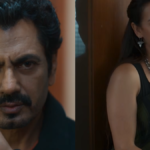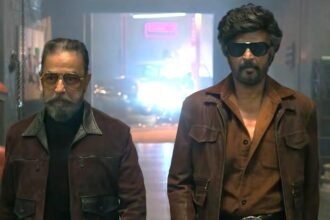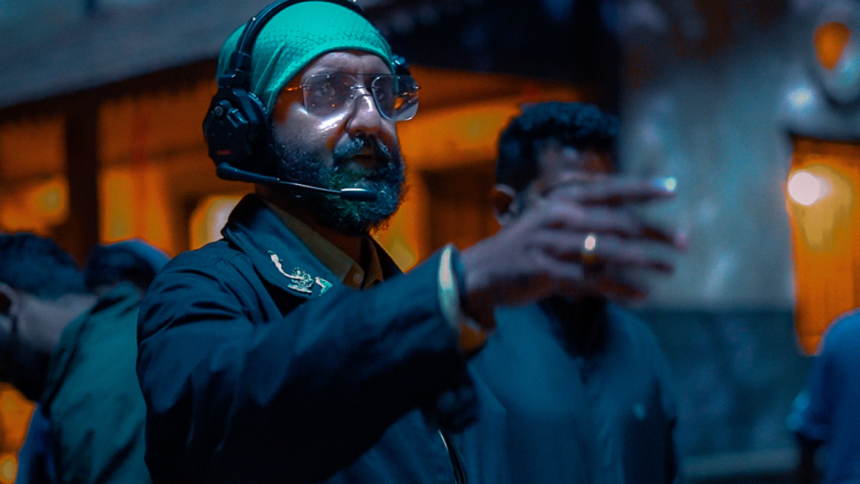
Indian cinema is witnessing a remarkable filmmaking achievement with the Marathi film Gondhal. The film has attracted international attention for its powerful visuals and an extraordinary opening sequence that runs for approximately 25 minutes without a single visible cut.
At the centre of this technical achievement is cinematographer Amalendu Chaudhary, who worked closely with debutant writer-director Santosh Davakhar to bring this ambitious sequence to life. The film, which is India’s official entry for the 99th Academy Awards in the Best International Feature Film category, uses long continuous shots to create an immersive cinematic experience.
A 25-Minute Scene Without a Single Cut
The opening sequence of Gondhal follows an elderly man and his grandson as they walk through a dark forest towards a traditional folk performance. Rather than breaking the scene into multiple shots through editing, the filmmakers decided to capture the entire sequence as one continuous take.
Achieving this required extraordinary coordination between the cinematographer, actors, camera operators and the production team.
According to reports, the sequence required 27 takes, with each attempt lasting approximately 25 to 26 minutes. The team also spent nearly six days rehearsing before successfully capturing the scene.
Every camera movement, actor position, dialogue delivery and transition had to be carefully planned. Even a small mistake could force the entire team to start again.
Amalendu Chaudhary’s Cinematography Made It Possible
Director Santosh Davakhar wanted the film to have longer shots from the beginning. During the narration, cinematographer Amalendu Chaudhary was impressed by the director’s visual approach and his determination to tell the story through extended sequences.
The cinematography also presented another challenge: much of the film takes place in a village setting with limited sources of artificial light.
Chaudhary used darkness, natural-looking illumination and carefully controlled camera movements to create a realistic atmosphere. The visual style helps audiences feel as if they are witnessing the events rather than simply watching them on screen.
A Story Rooted in Maharashtra’s Traditional Culture
Gondhal is more than a technical experiment. The film explores Maharashtra’s traditional Gondhal ritual, an ancient folk performance involving devotional singing, music and dance.
The ritual is traditionally performed to honour local deities, including Goddess Bhavani and Khandoba. Director Santosh Davakhar drew inspiration from childhood memories of attending these overnight ceremonies with his grandfather.
The film combines this cultural background with a psychological thriller involving human relationships, love, deception and village power struggles.
India’s Official Oscar Entry
With its ambitious cinematography and cultural storytelling, Gondhal has earned recognition beyond regional cinema.
The film features performances by Ishita Deshmukh, Kishor Kadam, Yogesh Sohoni and Nishad Bhoir. Veteran music composer Ilaiyaraaja has composed its music, while Amalendu Chaudhary is responsible for its cinematography.
The film’s 25-minute opening sequence demonstrates how careful planning, patience and technical creativity can transform a challenging filmmaking idea into an unforgettable cinematic experience.
For Indian cinema, Gondhal is another example of how regional stories and innovative filmmaking techniques can attract international attention.