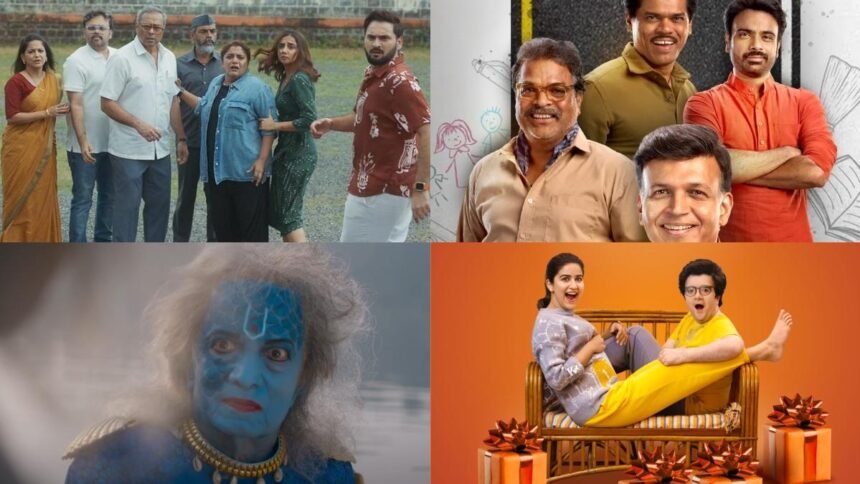
For decades, Marathi cinema lived in the shadow of its giant neighbour, Bollywood. Operating from the same state, often using the same studios and talent, it was frequently viewed as the ‘smaller’ sibling. But today, that narrative has changed. In Bollywood’s own backyard, Marathi cinema has not only found its voice but is now commanding national attention and critical acclaim.
From hard-hitting social dramas to heartwarming family entertainers, the Marathi film industry is experiencing a renaissance that offers valuable lessons for the entire Indian film fraternity.
A Legacy of Realism
Historically, Marathi cinema has been distinguished by its commitment to realism and strong storytelling. From the early works of V. Shantaram to the social commentaries of later decades, the industry often punched above its weight.
However, the last decade has seen an unprecedented surge in both quality and box office success.
| Era | Characteristics | Notable Examples |
|---|---|---|
| The Golden Era | Mythological, social reform, studio system | Sant Tukaram (1936), Shyamchi Aai (1953) |
| The Transition Phase | Commercial entertainers, family dramas | Duniyadari (2013), Timepass (2014) |
| The New Wave (Current) | Content-driven, experimental, pan-India appeal | Sairat (2016), Natsamrat (2016), Court (2014) |
The Tipping Point
Several factors have contributed to this renaissance:
- Content is King: Filmmakers have prioritized unique, rooted stories over formulaic templates.
- Critical Acclaim and Awards: Marathi films have consistently won National Awards, bringing prestige to the industry.
- Pan-India Appeal: Films like Sairat (which was remade in Hindi as Dhadak) proved that a rooted Marathi love story could achieve blockbuster status across the country.
- Platforms for New Voices: The success of independent films like Court (which was India’s official entry to the Oscars) showed that a small-budget film with a powerful message could find a global audience.
The ‘Fresh Voice’: What Makes It Unique
The “fresh voice” of Marathi cinema is characterized by several distinct qualities:
| Quality | Description |
|---|---|
| Rooted Storytelling | Stories are deeply connected to the soil, culture, and social realities of Maharashtra. |
| Powerful Performances | A deep bench of talented actors, including Nana Patekar, Dilip Prabhavalkar, and a new generation of stars. |
| Experimental Spirit | Willingness to experiment with form, narrative, and genre. |
| Social Commentary | A strong tradition of addressing pressing social issues without being preachy. |
The Road Ahead
The future for Marathi cinema looks brighter than ever. With growing support from digital platforms (OTT) that provide a global stage, and a young, dynamic audience hungry for fresh content, the industry is poised for even greater success. It is no longer just an alternative to Bollywood; it is a parallel, powerful film industry in its own right, offering a masterclass in how to balance art with commerce.